 Daily missions. Brighter futures.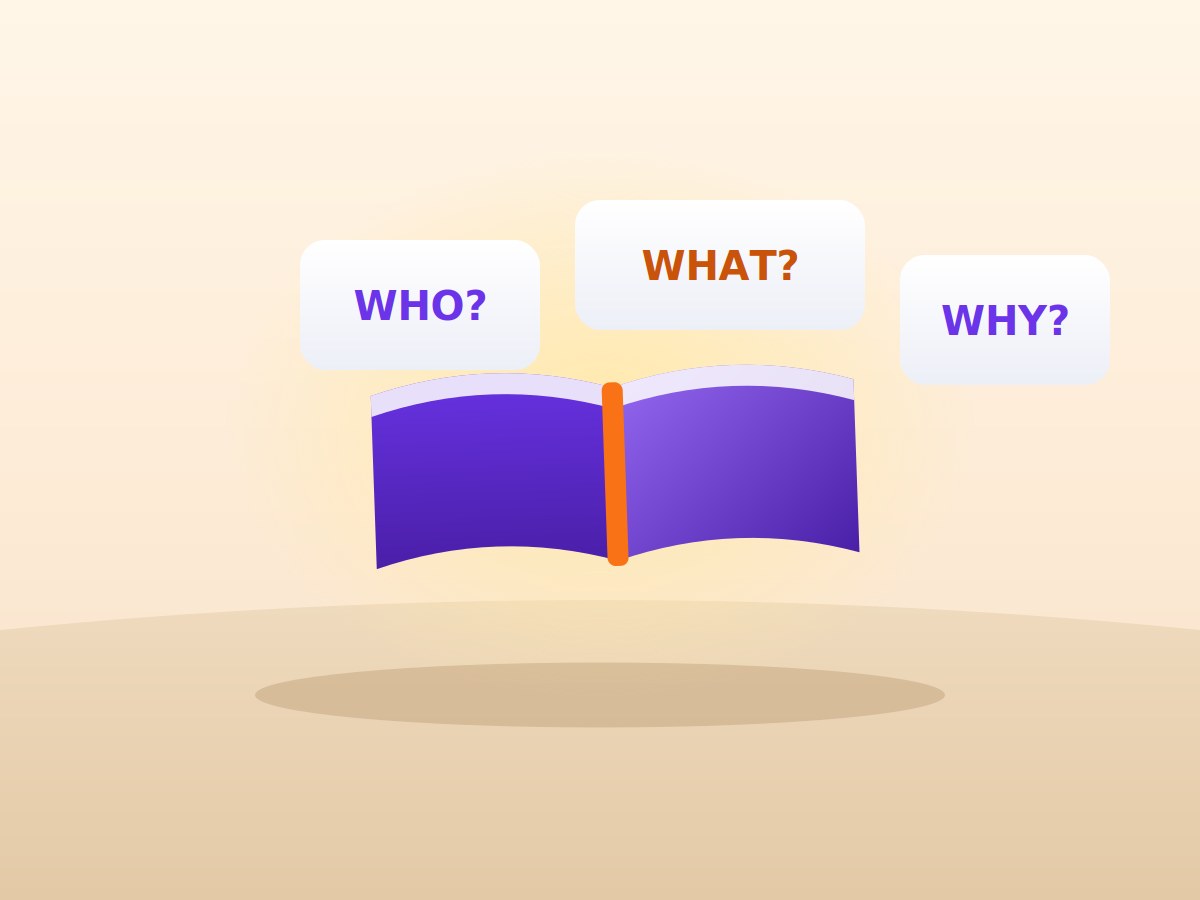
Reading the words and understanding them are two different skills. Only one of them shows up when they read aloud.
A child can read a page fluently, with expression, without stumbling once — and arrive at the bottom with very little idea what they've just read.
It's easy to miss, because reading aloud sounds like understanding. The check takes about ten seconds.
Close the book
That's the whole technique, and the closing matters. With the text open, they can scan and retrieve. With it shut, they have to have built something.
“Tell me what that was about.”Not “what happened on line six?” — that's a retrieval question and it's much easier. You want the summary, in their words.
Three questions, not ten
You don't need a comprehension exercise after every page. That turns reading into homework, and you'll lose the reading.
What happened? Why did it happen? What might happen next?Three conversational questions will tell you nearly everything, and they sound like interest rather than assessment — which matters more than it should.
After a short paragraph, close the text and ask for one sentence:
“Tell me the important bit in one sentence.”Summarising is harder than repeating, because it forces them to decide what mattered. That decision is comprehension.
If they can't explain it
Don't tell them what it said. That solves the paragraph and teaches nothing.
“Let's read it again — this time we're looking for what happened.”Rereading with a purpose is a completely different activity from rereading because you were told to. It's also the single most useful revision habit they'll ever pick up.
“If you had to explain this to someone who hadn't read it, what would you say?”
This is a much deeper test than any comprehension question, because it forces them to decide what the other person needs to know.
It works on books, films, YouTube videos and what happened at school. That's rather the point — comprehension isn't an English skill, it's how they'll get through history, science and every set of exam instructions they ever meet.
English in the Learning Centre
Structured reading and comprehension practice — retrieval, summarising and the harder inference questions — free to work through at your child's pace.
Browse the free English lessons →Where MindBlaze fits
Understanding written information matters far beyond English — a maths word problem is a comprehension question with numbers in it.
MindBlaze practises comprehension and verbal reasoning alongside maths for exactly that reason.

Close the book. Then ask.